
Denture Care Center in Monroe MI | Pinnacle Dental Group – Expert Dentures Solutions
At Pinnacle Dental Group, we understand the importance of restoring both functionality and aesthetics when it comes to missing teeth. Our quality denture services offer a comprehensive solution for those who have lost some or all of their natural teeth.
Our experienced dental professionals use state-of-the-art methods to ensure comfort, durability, and a confident smile. Whether you’re missing one tooth or several, our personalized approach caters to your unique needs, helping you achieve optimal oral health and an improved quality of life.
Missing Teeth Solution
Dentures are removable appliances that replace missing teeth and surrounding tissue. They are custom-made to fit your mouth, providing a natural-looking appearance and restoring proper chewing function. Dentures can also prevent facial muscles from sagging, which can cause premature aging. Our Monroe dentist at Pinnacle Dental Group offers both complete and partial dentures to suit your individual needs.
Reasons to Get Dentures
- Missing Teeth: Dentures are an ideal solution for individuals with missing teeth. Whether you have lost a tooth due to injury, decay, or age-related factors, dentures can fill in the gaps and improve your ability to speak and chew.
- Restoring Aesthetics: Dentures are designed to mimic the look of natural teeth, providing a realistic appearance and boosting confidence. With advancements in technology, modern dentures are more natural-looking than ever before.
- Preventing Bone Loss: When teeth are missing, the jawbone can start to deteriorate due to lack of stimulation. Dentures help preserve the structure of the jawbone and prevent bone loss.
- Affordable Option: Dentures are a more cost-effective solution compared to other restorative options, such as dental implants. This makes them an accessible choice for individuals on a budget.
Quality Dental Solutions for Patients
At Pinnacle Dental Group, we provide comprehensive denture solutions for patients of all ages. Our team works closely with you to create a treatment plan that meets your specific needs and goals. We also offer convenient financing options to make quality dental care accessible for everyone.
If you are missing teeth or experiencing discomfort from ill-fitting dentures, consult our experienced dental professionals at Pinnacle Dental Group today. Let us help you achieve a healthy, confident smile!
We pride ourselves on delivering quality services that enhance our patients’ oral health and quality of life. Every denture is carefully crafted to meet the unique needs of our patients. Trust Pinnacle Dental Group for quality, supported dental solutions tailored to each patient. Experience superior dentures made with precision and care in Monroe, MI.
Varieties We Offer
Complete Dentures
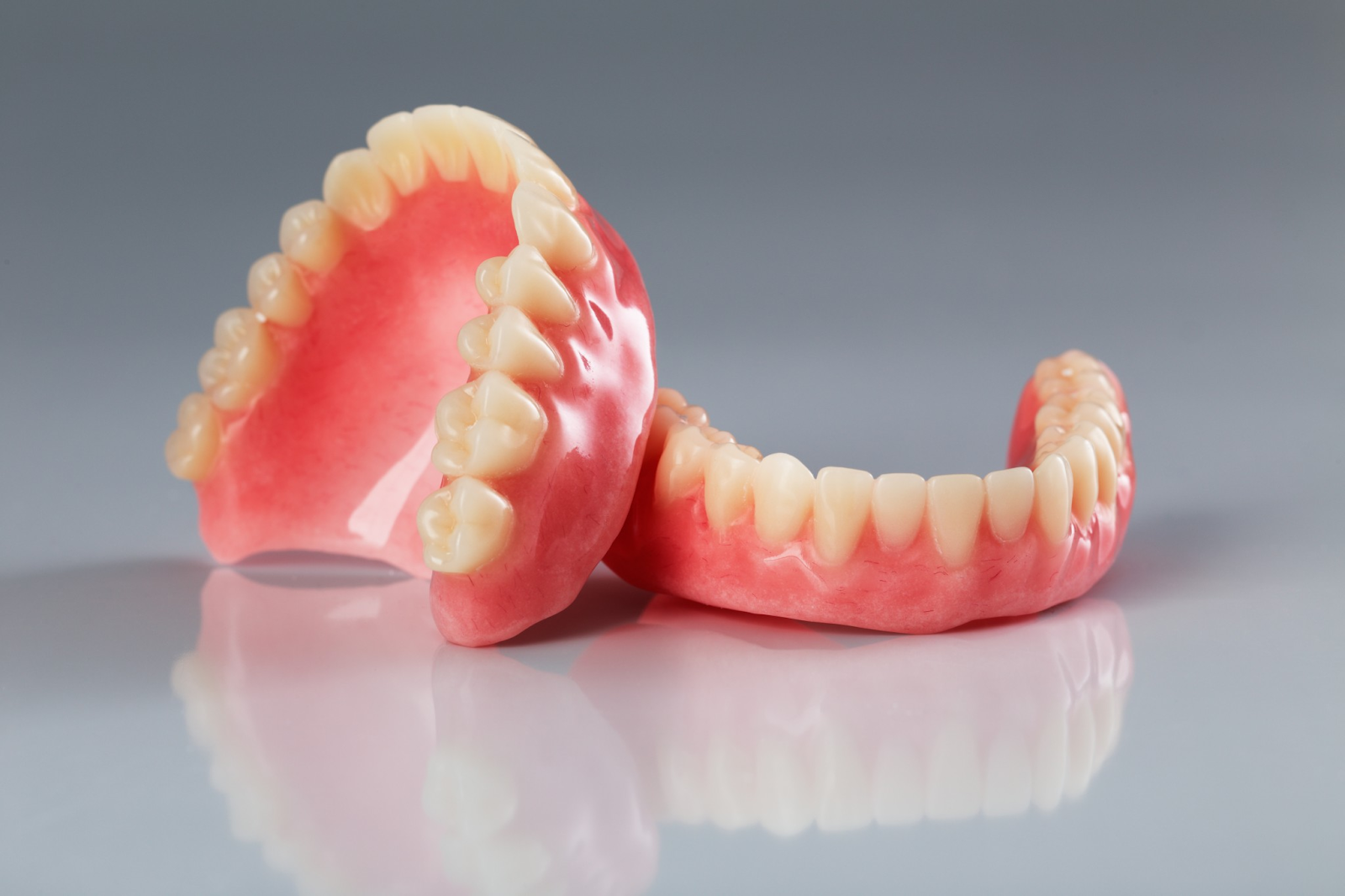
If you have lost all of your natural teeth, Complete Dentures can give you the smile you once had. Complete sets are made after all teeth have been removed from the upper/lower jaw and the gum tissue has healed. This includes an acrylic base that is custom made to look like natural gums, so that they can be anchored to dental implants. They will improve your appearance and allow you to speak and eat normally.
Removable Partial Dentures
If you are only missing a couple of teeth, Removable Partial Sets may be the best option for you. They are designed to fit between your natural teeth to give you a full and glowing smile. You will notice a significant improvement while eating and speaking after getting partial dentures.
Implant-Supported Dentures
Implant supported dentures are a popular option for patients looking for a more secure and permanent solution. These dentures are anchored to dental implants, providing increased stability and preventing them from slipping or shifting while eating or speaking.
Our Process
At Pinnacle Dental Group, we understand that each patient’s needs and preferences are unique. Our process for creating quality dentures involves the following:
- Initial Consultation: We begin with a thorough consultation to discuss your dental history, preferences, and expectations. During this visit, our dental professionals will conduct a comprehensive examination to assess your oral health and determine the best denture solution for you.
- Custom Molds: After the initial consultation, we take detailed impressions of your gums and any remaining teeth. These impressions are pivotal for crafting dentures that fit comfortably and securely.
- Collaboration with Vetted Dental Labs: We partner with quality, vetted dental labs that specialize in creating custom dentures. These labs use the latest technologies and high-quality materials to fabricate dentures that are durable and natural-looking.
- Fitting and Adjustments: Once your custom dentures are ready, we invite you back for a fitting appointment. During this session, we ensure that the dentures fit perfectly and make any necessary adjustments to enhance comfort and functionality.
- After-Care: We provide detailed instructions on how to care for your dentures and ensure their longevity. Our team is always available to address any concerns or questions you may have regarding your dentures.
By working with experienced dental professionals and top-tier dental labs, Pinnacle Dental Group ensures that every step of the denture creation process is handled with precision and care, providing you with a smile that is both functional and beautiful.
Caring Tips
Proper care and maintenance is essential to ensure their longevity and functionality. Here are some tips to care for your dentures:
- Handle them with care: Always hold your dentures gently and avoid bending or damaging them.
- Clean daily: Remove your artificial teeth and clean them daily with a soft-bristled brush, mild soap, and warm water. Avoid using hot water as it can cause warping.
- Soak overnight: It is important to soak your dentures in a denture cleaning solution or plain water overnight to keep them moist and prevent them from drying out.
- Regular check-ups: Schedule regular appointments with your dentist to ensure proper fit, function, and address any issues that may arise.
- Avoid hard or sticky foods: To prevent damage to your dentures, avoid eating hard or sticky foods that can cause them to break or dislodge.
- Handle repairs professionally: If your fake teeth become damaged, do not try to fix them yourself. Always seek professional repair from professionals.
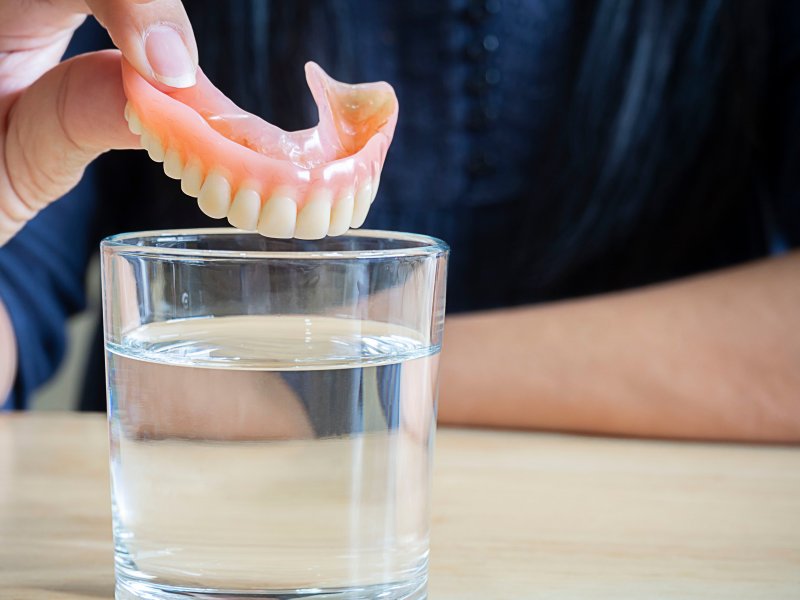
For more guidance on caring for your dentures, contact Pinnacle Dental Group. Our team is dedicated to providing exceptional dentistry and quality replacement solutions tailored to each user’s needs.
Book Your Denture Patient Consultation
Ready to enhance your smile and improve your oral health with quality dentures? Book a consultation with our dental clinic today. Our experienced team will provide personalized care and create custom dentures to meet your individual needs. Contact us today for more information or to schedule your appointment.
*Required Field