
Pediatric Dentist Taylor | Family Practice Welcoming Kids from Age 5
Dental habits formed in childhood tend to follow a person for life. Starting regular visits early with the right team makes a real difference to how a child approaches care later. Pinnacle Dental Group in Taylor is a family practice welcoming children from age five alongside the whole family.
From dental sealants and fluoride treatments to night guards and habit appliances, each service below is explained in plain terms. Children’s needs change from age five through the teen years, and our Taylor office is prepared for all of them. Contact the office when you are ready to schedule your child’s next visit.
Pediatric Dental Care in Taylor
Most children are ready for routine dental visits by age five. At this age, a full set of baby teeth is typically in place, and permanent teeth are not far behind. Pediatric dental care at our Taylor office includes exams, cleanings, and developmental checkups for patients from age 5 through the teen years.
Baby teeth matter more than most parents expect. They hold space for permanent teeth and support speech development as children grow. Regular visits give the dentist a consistent view of your child’s oral health, making it much easier to spot changes at each appointment.
Dental Sealants: Protecting Permanent Molars
First permanent molars come in around age six, and second permanent molars follow around age twelve. These back teeth have deep grooves that trap food and bacteria. A toothbrush cannot always reach the bottom of those grooves, which is where dental Sealants come in.
Sealants are thin coatings applied to the chewing surfaces of back teeth. The process takes only a few minutes and requires no drilling. Children do not need to do anything differently after placement. The sealant handles protection on its own.
Fluoride Treatment: Strengthening Enamel at Every Visit
Sealants protect the grooves of back teeth, but enamel strength matters across every tooth in your child’s mouth. Fluoride strengthens enamel by helping it resist acid from bacteria. Fluoride Treatment is applied in the office as a varnish and takes only a few minutes to complete.
Professional fluoride has a higher concentration than that found in toothpaste or tap water. That makes in-office application more effective for children who are prone to cavities or have thin enamel. Children who receive regular in-office fluoride treatments have a lower rate of cavities than those who do not.
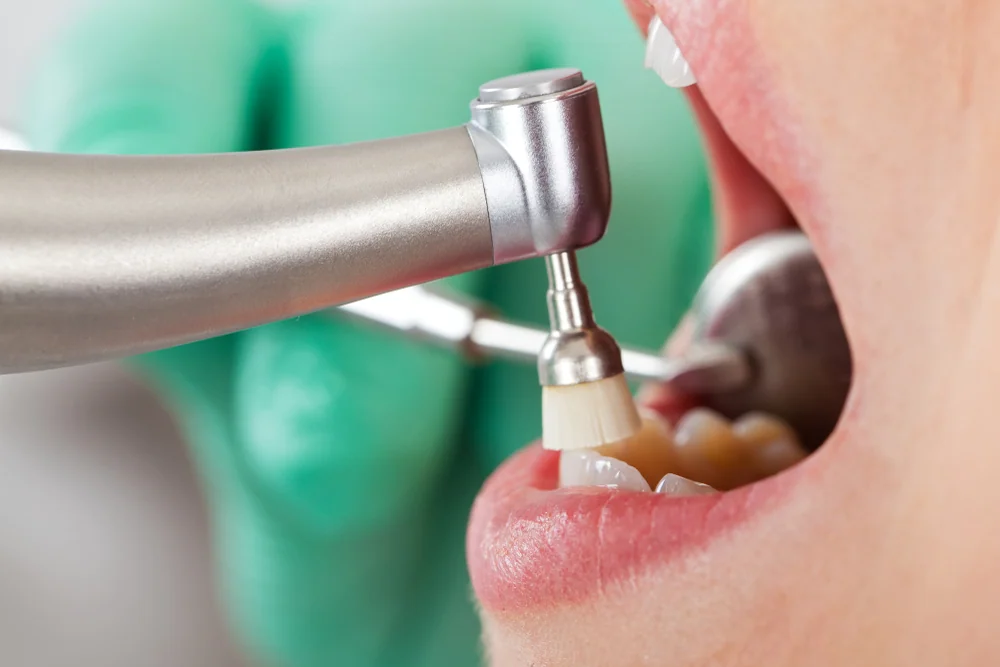
Pediatric Crowns: Restoring a Damaged Baby Tooth
When decay goes beyond what a filling can repair, the next step is a crown. Baby teeth that are left untreated can break down further or become painful. Pediatric crowns cover the entire tooth and restore its function, keeping it in place until it falls out naturally.
Primary teeth hold space for the permanent teeth forming below them. Losing a baby tooth too early can cause neighboring teeth to shift and reduce the space the permanent tooth needs. Keeping that tooth in place with a crown is often the better path for your child’s dental development.
Mouth Guards: Custom Protection for Young Athletes
A dental injury during a game can undo restorative work that took multiple visits to complete. For children and teens who play contact sports, a well-fitting mouthguard is one of the most practical tools available. Mouth Guards for sports shield teeth, gums, and the jaw from impact during practices and games.
Custom-fitted guards are made from impressions of your child’s teeth, which means they fit more securely than store-bought options. A better fit also makes it easier to breathe and speak during play. Your child is more likely to wear a guard that is comfortable and does not interfere with the game.
Night Guards: Protecting Teeth During Sleep
Sports guards protect teeth during activity, but the damage from nighttime grinding can be just as serious. Bruxism is the clinical term for teeth grinding or clenching, and it is common in children. Night Guards create a barrier between the upper and lower teeth to prevent enamel from wearing down overnight.
Grinding often goes unnoticed until a dentist spots wear patterns during a routine exam. A night guard designed for a child is thinner and lower-profile than an adult version, making it easier to wear through the night. The dentist reviews wear patterns at follow-up visits and can adjust the fit as your child’s jaw continues to grow.
Habit Appliances: When a Habit Starts to Shift the Bite
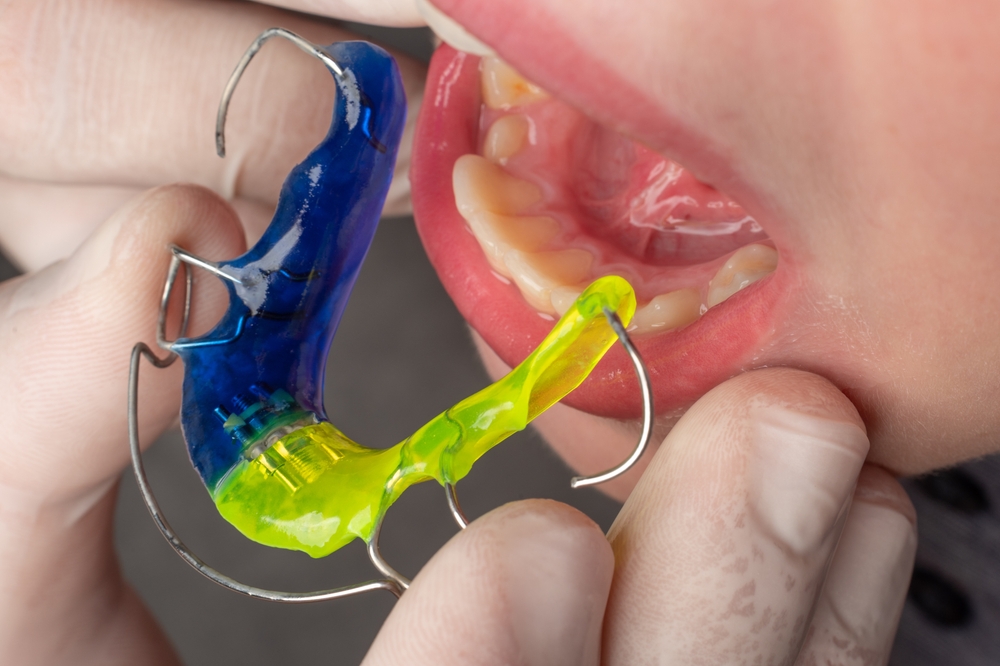
Like bruxism, some oral habits affect how teeth and the jaw develop over time. The American Academy of Pediatric Dentistry recommends addressing thumb sucking if it continues past age four. Habit appliances are dental devices that discourage the habit and reduce the pressure it puts on developing teeth.
Prolonged thumb sucking or tongue thrusting can cause an open bite, where the front teeth do not close together properly. A habit appliance makes the habit less rewarding, which helps children stop on their own. Addressing the habit before permanent teeth come in gives the jaw a better chance to develop normally.
What to Expect at Your Child’s First Visit With Us
Starting regular visits early reduces the risk of decay, misalignment, and issues that become harder to correct over time. Pinnacle Dental Group welcomes children ages 5 for their first appointment at our Taylor office. Here is what that first visit typically covers:
- When to schedule: Bring your child in from around age five, or when they are comfortable sitting for a short exam.
- What the appointment includes: A gentle exam, basic cleaning guidance, and a conversation with parents about at-home care.
- How to prepare your child: Keep the visit calm and matter-of-fact. Avoid using words like “hurt” or “shot” before the appointment.
- What the dentist looks for: Tooth and jaw development, early signs of decay, bite alignment, and habit-related changes such as thumb sucking or tongue thrusting.
Ready to See a Pediatric Dentist in Taylor?
From age five through the teen years, every stage of childhood comes with its own dental needs. Pinnacle Dental Group is your family dentist in Taylor, providing the full range of pediatric services covered on this page. Consistent pediatric care is one of the most effective steps a parent can take for a child’s long-term oral health.
To book your child’s next appointment, contact our Taylor office. The sooner care starts, the
Frequently Asked Questions
How do I choose a pediatric dentist for my child?
When searching for a children’s dentist, look for a practice with a proven track record treating kids of all ages. Choosing a pediatric dentist also means making sure the practice covers the services your child may need as they grow. Call our Taylor office if you have questions before you book.
What is the rule of 7 in kids’ dentistry?
The rule of 7 is the American Association of Orthodontists’ recommendation for a first orthodontic evaluation by age seven. At that age, children have a mix of baby and permanent teeth, which gives the dentist a clear view of how the jaw and bite are developing. If you have noticed changes in your child’s spacing or bite, bring it up at the next appointment.
When should my child have their first dental appointment?
Children can start routine dental visits around age five, before permanent teeth begin coming in around age six. Our dental team tracks tooth development and checks for early signs of decay or alignment concerns at each visit. When you are ready to book, our office can answer any questions before the visit.
Is it safe for kids to get dental X-rays?
Children’s dental X-rays are considered safe and use very low levels of radiation. Modern digital X-ray systems reduce exposure even further compared to older film-based methods. If you have questions about X-rays ahead of your child’s visit, bring them up when you call to schedule.
Does my child really need treatment for a cavity in a baby tooth?
Yes, baby tooth cavities need treatment because untreated decay can spread and affect the permanent tooth developing below. Depending on how far the decay has progressed, treatment may involve a filling or a pediatric crown. Contact our Taylor office to schedule an exam if you think your child has a cavity.