
Denture Care Center Taylor | Complete Denture Care From Fitting to Repair
Losing teeth changes more than your smile. It affects how you eat, how you speak, and how you feel in everyday situations. At Pinnacle Dental Group, we work with patients from Taylor and the surrounding Downriver communities to find denture solutions that fit their lives, not just their mouths.
Our office offers a full range of custom dentures, from fittings to same-practice repairs and maintenance. Whether you are looking at your options for the first time or need help with a denture you already have, our professional dentist team can help you figure out what makes sense for your situation.
Complete Dentures in Taylor
Dentures complete an entire arch by replacing every missing tooth on the upper jaw, the lower jaw, or both. They rest directly on the gum line and are custom-fitted to your mouth over several appointments. Each fitting appointment helps us refine the shape, bite, and comfort before the final denture is delivered.
Most patients choose complete dentures when they have lost all or nearly all teeth on one or both arches. Beyond restoring your ability to chew and speak clearly, a well-fitting full denture also supports the facial muscles surrounding your mouth. Without that support, the face can take on a sunken appearance over time.
Partial Dentures — A Targeted Fix for Missing Teeth
If you still have healthy natural teeth, a partial denture fills the gaps without touching what is already working. The appliance clips onto your remaining teeth using small metal clasps or precision attachments, holding it in place while you eat and speak.
Leaving gaps in your smile affects more than just your appearance. The teeth on either side of a gap tend to shift toward the open space over time, which can throw off your bite and make future dental work more complicated. A partial denture stops that from happening while giving you a functional, natural-looking result. It is also removable, so cleaning is simple and takes only a few minutes.
Implant-Supported Dentures — Stability You Can Count On
Implant-supported dentures attach directly to titanium implants placed in the jaw. This gives the denture a fixed anchor point instead of resting on the gum line. The result is a denture that stays in place when you eat, laugh, and talk without the need for adhesive.
Beyond stability, implants do something conventional dentures cannot. They help preserve the jawbone by providing stimulation that a conventional denture sitting on the gum line cannot deliver. Patients searching for permanent dentures often find implant-supported dentures considerably more comfortable day to day. At Pinnacle Dental Group, implant placement and denture fabrication are handled in one practice, which keeps the process straightforward for Taylor-area patients.
Overdentures — Removable Comfort With Added Support
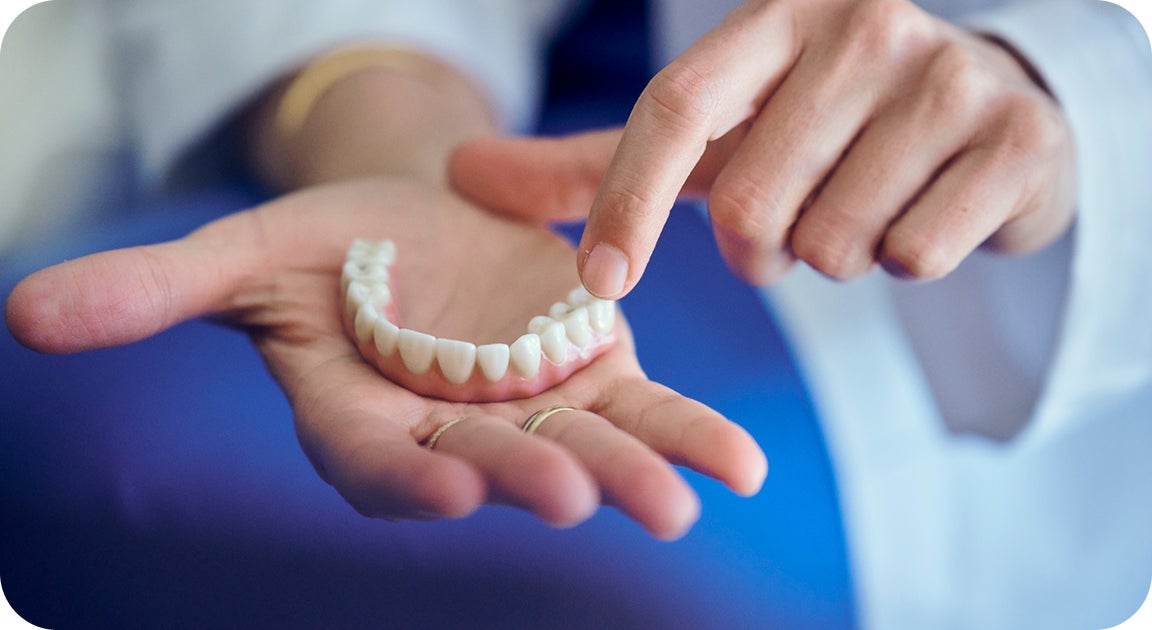
An overdenture is a full removable denture that snaps onto two or more dental implants. Often called snap-in dentures, this option sits above the gum line like a conventional denture but locks into place on the implants instead of relying on suction or adhesive. You can remove it for cleaning, but it stays firmly in place throughout the day.
For patients who want more stability than a conventional denture provides but prefer a removable appliance, an overdenture gives you implant retention without committing to a fully fixed arch. It is also a common next step for patients who already wear a full denture and want to improve the fit. The implants used to support an overdenture also help preserve the jawbone beneath the denture, which keeps the fit more consistent over time.
Denture Adjustments — Getting the Fit Right
Even a well-made denture can become uncomfortable over time. Gum tissue changes shape as the body heals after extractions, and a denture that fits well at delivery may start to cause soreness or uneven pressure months later. A denture adjustment reshapes specific pressure points on the denture base, so it sits correctly against your gum tissue again, restoring a secure fit.
Most adjustments are completed in a single visit. If your denture is causing sore spots, slipping during meals, or producing an uneven bite, an adjustment is usually the right first step before considering a reline or replacement. We also see patients in Taylor who had their dentures made elsewhere and need a fit correction. Bring your existing denture in and our team can assess what needs to change.
Denture Relines — Restoring the Fit From the Inside
A reline is different from an adjustment. Where an adjustment reshapes the outer edges and pressure points, a denture reline adds new material to the inside surface of the denture base. This fills the gap that forms between the denture and the gum line when the underlying oral tissue and bone change shape over time.
Bone loss under a denture is gradual but consistent. Many patients who have worn a denture for two or more years will notice some loosening even if the denture was fitted correctly at the start. A reline brings that fit back without replacing the entire appliance. Depending on the condition of your denture, the reline may be completed chairside in a single appointment or sent to a dental lab for a more involved procedure. Our team will explain which option applies before any work begins.
Denture Repairs — When Something Breaks
A cracked denture or a broken clasp does not always mean you need a full replacement. Many common damage issues, including fractures, chips, and broken attachment hardware, can be repaired and returned to you in working condition. A denture repair is almost always faster and less costly than starting over with a new appliance.
If your denture breaks, avoid trying to fix it at home with household adhesives. Those materials can permanently distort the fit and make a professional repair more difficult. Bring it in as soon as you can. Our team will assess the damage and tell you whether a repair will restore full function or whether a replacement is the better long-term decision.
Caring for Your Custom Dentures at Home
How you care for your dentures between appointments directly affects how long they last and how well they fit. These habits apply whether you wear a full denture, a partial, or an implant-supported appliance.
- Rinse your dentures after every meal to remove food debris
- Brush daily with a soft denture brush and a non-abrasive denture cleaner, not regular toothpaste
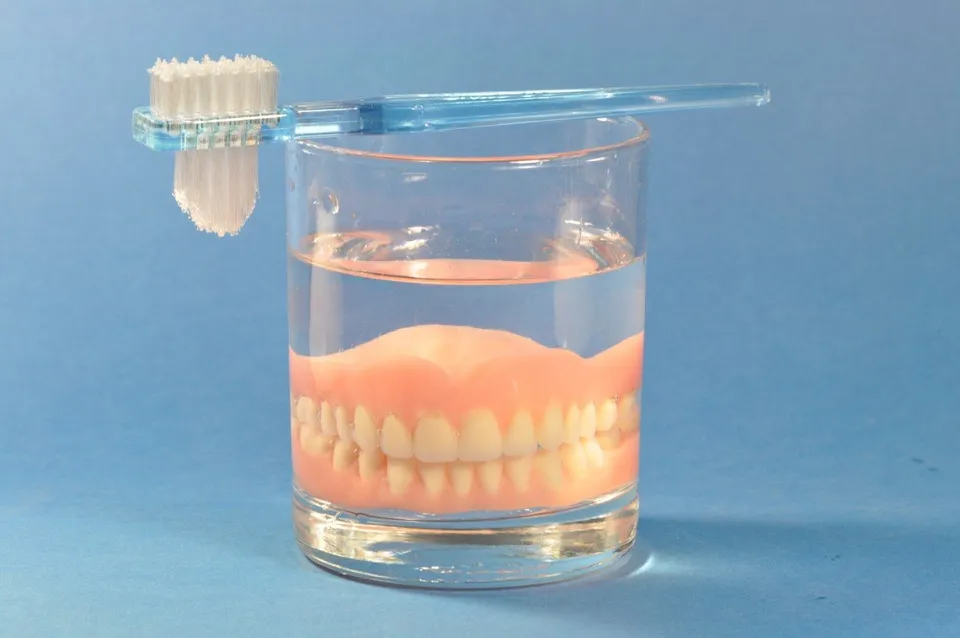
- Soak your dentures overnight in plain water or a denture-soaking solution to keep the material from drying out and warping
- Handle your dentures over a folded towel or a basin of water to cushion any accidental drops
- Schedule regular check-up appointments even when your denture feels fine, as fit changes gradually and may not be obvious until discomfort develop
Why Choose Pinnacle Dental Group in Taylor for Your Denture Care
Taylor-area patients have options when it comes to finding a denture clinic they can rely on. What sets Pinnacle Dental Group apart is the ability to handle every stage of your denture treatment in one practice. From your first consultation through fittings, adjustments, relines, and repairs, you work with the same team throughout the process.
- Full-scope denture services under one roof, from new fittings to urgent repairs
- Experience with conventional dentures, partials, implant-supported dentures, and overdentures
- In-office adjustments and relines without long waits for outside lab work in most cases
- Welcoming to patients whose existing dentures were made at another practice
- Serving patients from Taylor, Monroe, and the surrounding Downriver communities
Schedule Your Denture Consultation in Taylor
Pinnacle Dental Group offers a full range of denture services for patients in Taylor and the surrounding area. Whether you are exploring your options for the first time, dealing with a denture that no longer fits well, or need a repair handled quickly, we are here to help.
Contact our office to schedule a consultation or bring in your existing denture for an assessment. Our team will review your situation and walk you through the options that work best for you.
Frequently Asked Questions
What denture options are available for patients who have lost teeth?
The three main types of dentures are full dentures, partial dentures, and implant-supported dentures, each designed for different levels of tooth loss and patient needs. Your dentist will recommend the right type based on how many teeth you have lost, the condition of your jawbone, and your overall health. If you are not sure which option fits your situation, call us and we can help you figure it out.
Can a general dentist fit and manage my dentures, or do I need to see a specialist?
A general dentist can provide full denture services including fittings, adjustments, relines, and repairs without a referral to a specialist in most cases. Having one practice handle everything saves time and keeps your care consistent from start to finish. If you want to know what our office can handle for you, give us a call, and we will go over it with you.
What is the best way to store my dentures when I am not wearing them?
Soaking your dentures overnight in plain water or a denture-soaking solution helps prevent them from drying out and losing their shape. Dry dentures can warp and fit poorly, leading to discomfort and potentially requiring a reline or adjustment. If you have questions about your daily denture care routine, ask us at your next appointment.
Does Medicare cover any part of denture treatment?
Original Medicare does not cover denture treatment including fittings, replacements, or repairs, though some Medicare Advantage plans offer limited dental benefits that may include dentures. Coverage varies widely by plan, so it is worth reviewing your specific policy before your appointment. Contact our office and we can help you understand your payment options.
What affects which type of denture is the right choice for me?
The right denture appliance depends on how many teeth you have lost, whether any natural teeth remain, the density of your jawbone, and your preference for a fixed or removable solution. A patient missing a few teeth in one area has very different options than a patient who needs a full-arch restoration. Come in for a consultation and we will help you sort through what fits your situation.