
Dental Implants Periodontist Taylor | Specialist Implant Placement for the Downriver Area
In Taylor, a periodontist who focuses on bone and soft tissue can manage the full scope of dental implant care. Periodontics requires three additional years of specialty training beyond dental school. That training applies directly to how implants are planned, prepared, and placed.
This page covers implant options available at Pinnacle Dental Group, from single tooth replacement to full-arch restoration. It also covers supportive procedures such as bone grafting and sinus lifts. These options expand eligibility for patients who have been told implants are not available to them. A consultation is where the process begins.
Replacing a Single Missing Tooth with a Dental Implant
A gap left by a missing tooth allows the surrounding teeth to shift into the open space. Over time, that shifting can affect your bite and the health of surrounding teeth. Single tooth replacement solves the problem by placing a permanent implant where the missing tooth was.
A titanium post is set into the jawbone. An implant abutment connects the post to the restoration above, and an implant crown is secured once the bone heals. The result functions like a natural tooth. Many patients in the Taylor area choose this option because it leaves healthy neighboring teeth completely untouched.
Implant Bridge for Multiple Missing Teeth
When two or more consecutive teeth are missing, a removable partial denture is often the first option patients consider. For many people in Taylor, it works short-term but becomes uncomfortable or unreliable over time. An implant bridge offers a fixed alternative that does not come out.
Two implant posts are placed at either end of the gap, and a bridge is secured across them. There are no clasps, no adhesives, and no nightly removal. The bridge stays in place and supports normal chewing function.
All-on-4 Dental Implants: Full Arch, Fixed Results
Losing most or all of your teeth in one arch does not mean living with a removable denture. All-on-4 dental implants support a full arch of fixed teeth using just four implant posts. The posts are angled strategically to make use of the remaining bone, even when some bone loss has occurred.
All-on-4 implant surgery and temporary prosthesis placement are typically completed in one visit. Patients from Taylor, Southgate, and Allen Park choose this option for a permanent, non-removable result. Fewer appointments are needed compared to placing individual implants across the full arch.
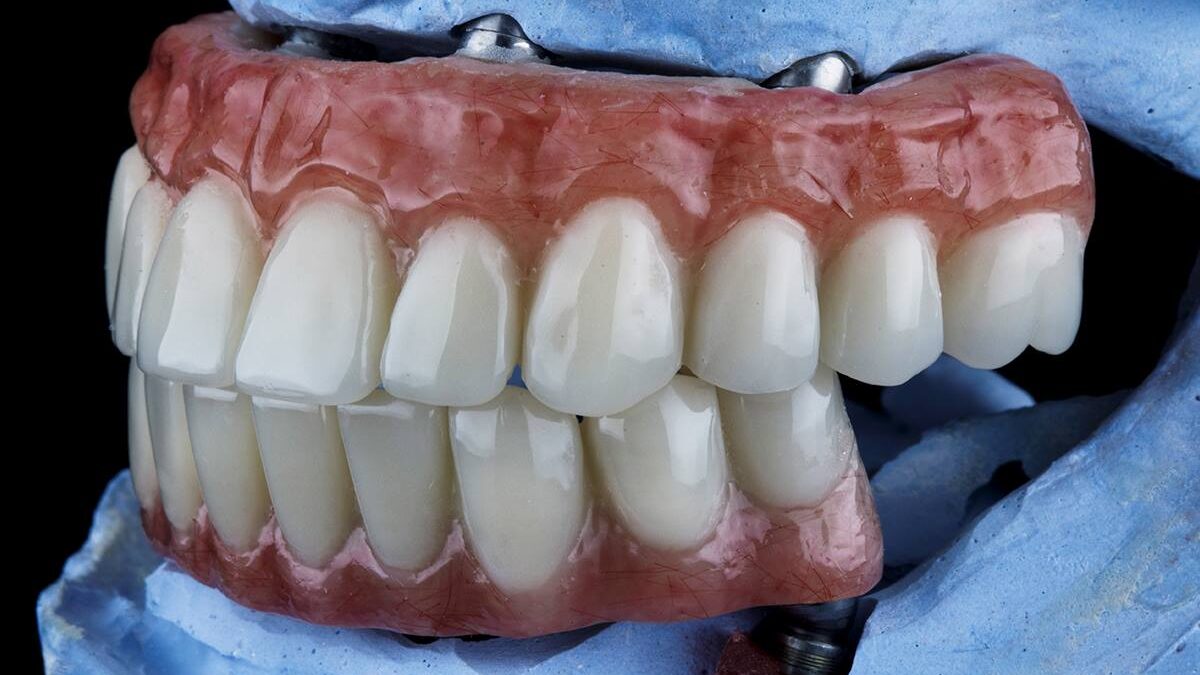
Implant-Supported Dentures: A Stable Alternative to Traditional Dentures
Traditional dentures work differently for every patient. Some wear them for years without problems. Others deal with slippage, sore spots, or difficulty eating foods they once enjoyed. Implant-supported dentures solve the stability issue by anchoring the appliance directly to the jawbone.
A small number of implants are placed to act as attachment points. The denture snaps or locks onto them and stays secure throughout the day. For older adults in Taylor who have worn a loose or shifting denture, this option restores both comfort and stability.
Bone Grafting to Prepare for Implant Placement
Many patients come to us after being told they do not have enough bone for implants. That is a common finding, and bone grafting may make implants possible for many of those patients.
Years of tooth loss, gum disease, or denture wear can reduce bone volume in the jaw. Graft material is placed in the affected area and the bone integrates with it during healing. Once the graft matures, implant placement can move forward. This step has expanded implant eligibility for many Taylor-area patients who thought the option was not available to them.
Sinus Lift: Creating Space for Upper Jaw Implants
The upper back jaw sits directly below the sinus cavity. When upper back teeth have been missing for a long time, the sinus can drop lower. This leaves little space for an implant post. A sinus lift corrects this by lifting the sinus membrane and adding bone in the space below it.
The added bone is given time to integrate before implant placement begins. This type of periodontal surgery requires careful tissue management, which is why the involvement of a periodontist matters. Some patients in Taylor and southern Wayne County have been declined for upper jaw implants elsewhere. A sinus lift is often the step that changes that outcome.
What Sets Periodontist-Placed Implants Apart
Not all implants are placed by the same type of provider. A periodontist is a dental specialist trained in bone health, gum tissue, and the surgical procedures that implants require. That scope of training goes beyond what general dentistry includes.
- Periodontists evaluate bone density and gum health before recommending any implant procedure
- Bone loss, gum disease, and tissue complications fall within their core surgical scope
- Implant placement decisions are based on the full condition of your jaw, not just the missing tooth
- Surgical precision at placement affects how well the implant integrates and holds over time
- Patients with gum disease, bone loss, or complex health conditions are often better served by a periodontist than a general dentist
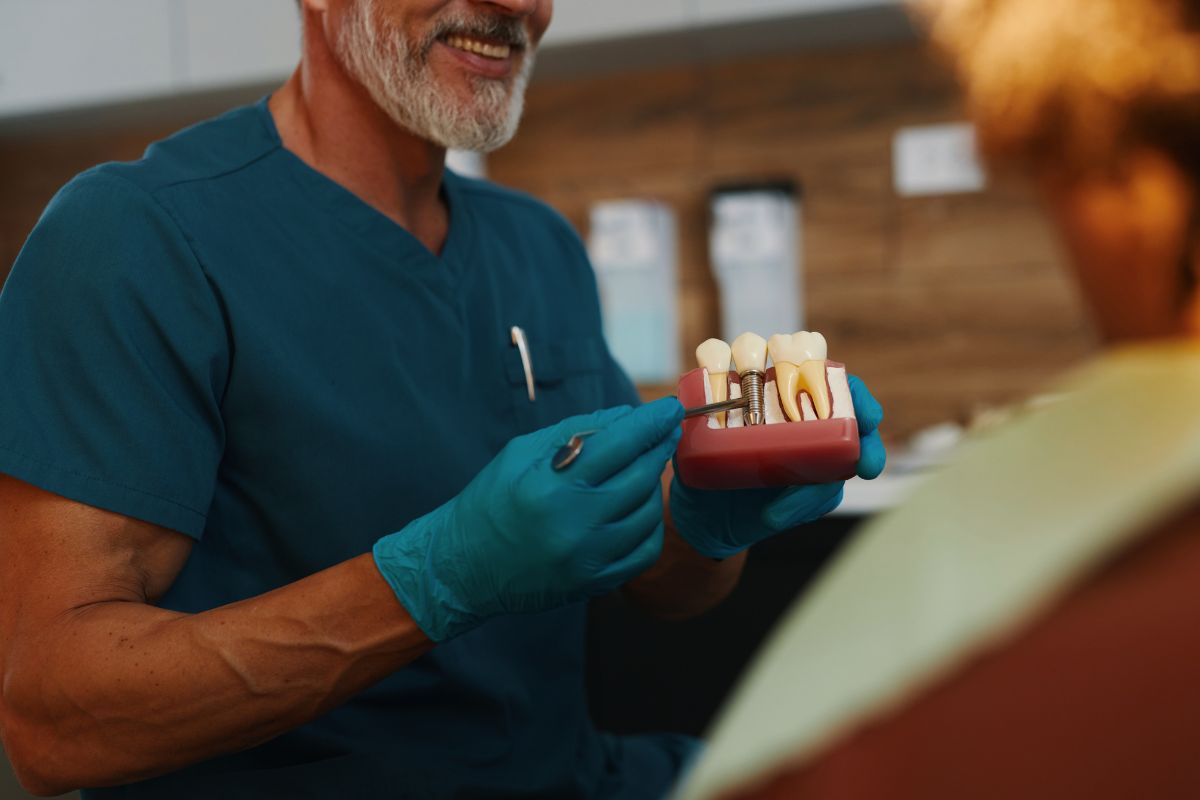
Why Choose Pinnacle Dental Group in Taylor?
At Pinnacle Dental Group, implant consultations include a review of bone density, gum health, and your full dental history. Material options, including titanium and zirconia implants, are part of that discussion. Nothing moves forward without a clear picture of your specific situation.
Imaging is used before implant surgery to map positioning. Pinnacle Dental Group is a dental center that serves patients from Taylor and the Downriver area. Scheduling options are available for working adults and families. Our staff explains each step clearly so you know what to expect before treatment begins.
Ready to Take the Next Step?
Tooth loss is not a single situation. Some people are missing one tooth. Others have spent years in a denture that no longer fits well. If you are searching for a Taylor dentist who offers periodontist-level implant care, Pinnacle Dental Group serves patients throughout the Downriver area.
Contact our team to schedule a consultation and find out which option fits your situation.
Frequently Asked Questions
Do I need to see a periodontist to get dental implants?
For patients with bone loss, gum disease, or a complex dental history, periodontist-placed dental implants are often the better choice. Periodontists complete a three-year specialty residency focused specifically on the jaw and soft tissue that holds an implant in place. If you are unsure which provider is right for your situation, give us a call and we can talk it through.
What does the 3/2 spacing rule mean for dental implants?
The 3/2 rule in implant planning refers to minimum spacing requirements between implants and natural teeth. The standard is at least 3mm between two adjacent implants and 2mm between an implant and a natural tooth. These measurements affect how many implants can be placed and where. If you want to know how spacing applies to your case, bring it up at your consultation.
Can I get dental implants if I have an autoimmune disease?
Many patients with autoimmune conditions are still candidates for dental implants. The impact on implant healing depends on the specific condition and how well it is managed. A thorough medical review is part of every consultation at our office. Reach out to us and we can talk through your history before you come in.
How long do dental implants actually last?
Studies show dental implants have high long-term survival rates, with many remaining functional for 20 years or more. Bone health, gum care, and regular dental visits all play a role in how long an implant holds up. If you have questions about long-term implant maintenance, ask us at your consultation.
What goes into planning a full dental implant treatment?
Dental implant treatment is planned differently for each patient based on the number of teeth being replaced, the type of restoration selected, and whether supporting procedures like bone grafting are needed. A consultation is the best way to understand what your plan will involve. Give us a call and we will walk you through what to expect.