
Pediatric Dental Care: A Complete Guide for Monroe, MI Parents
Your child’s first tooth appears around six months old. That tiny white bump breaking through the gums marks the beginning of their dental health journey. Many parents assume dental visits can wait until preschool or kindergarten. This delay can lead to preventable problems that affect permanent teeth later.
Children need dental care from infancy through their teenage years. Early visits prevent decay, guide proper development, and create positive attitudes toward oral health. This guide explains when to start dental visits, what treatments your child needs, and how to make appointments stress-free for your family.
What Is Pediatric Dental Care?
Pediatric dental care focuses on oral health from birth through age 18. Young mouths face different challenges than adult mouths. Baby teeth are more vulnerable to decay. Growing jaws need monitoring to catch bite problems early. Developing permanent teeth require protection while they erupt.
This specialized care goes beyond treating cavities. Dentists teach children age-appropriate brushing techniques. They help parents understand how diet affects tooth health. They watch for developmental issues that need orthodontic attention. The focus stays on prevention rather than just fixing problems after they occur.
Baby teeth serve critical functions even though they eventually fall out. They hold space for permanent teeth and guide them into correct positions. They help children learn to speak clearly and chew food properly. Losing baby teeth too early creates spacing problems that require expensive orthodontic work later.
When Should Children Start Visiting the Dentist?
The American Dental Association says children should visit the dentist by their first birthday. Most parents find this recommendation surprising. Baby teeth begin erupting around six months, and early visits prevent future problems.
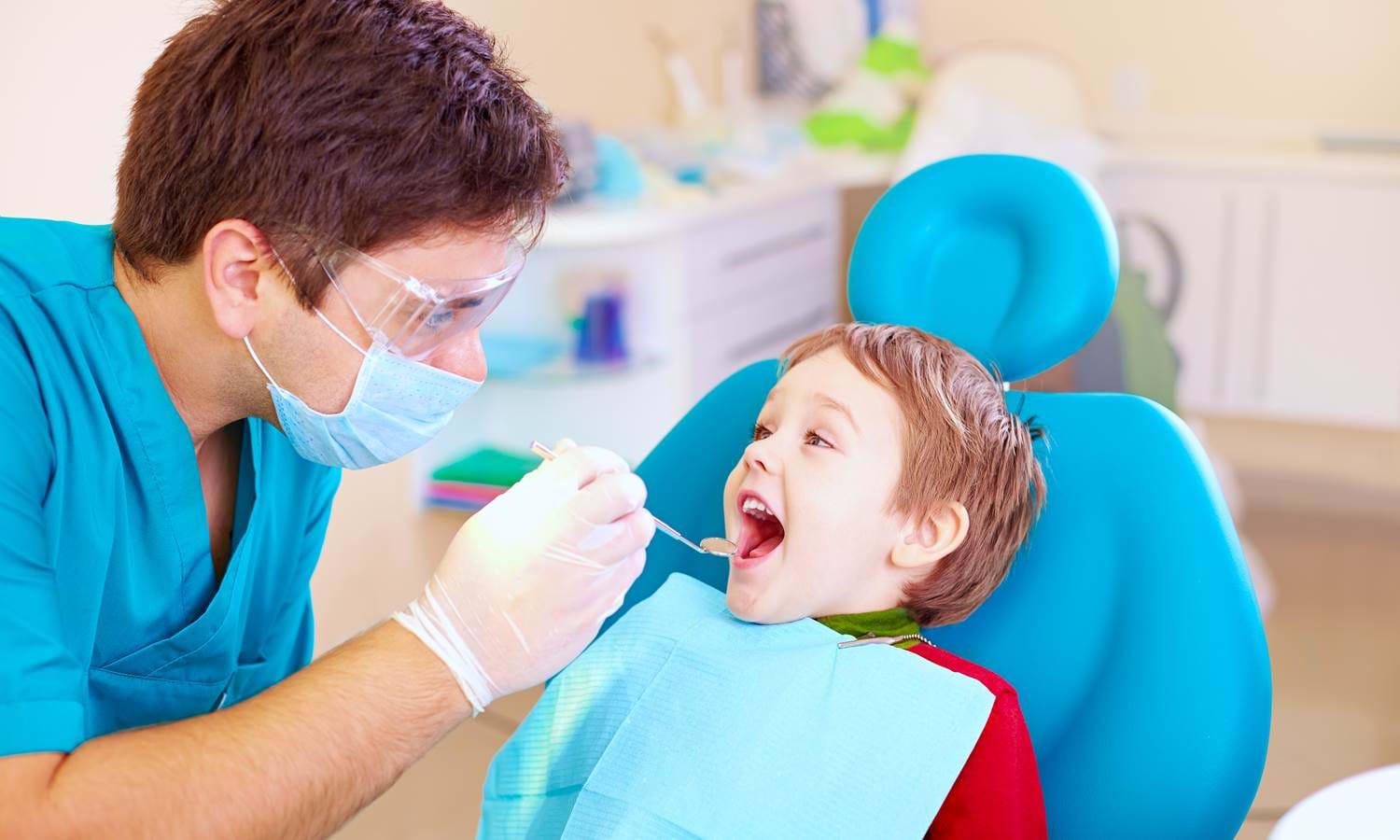
That first appointment focuses on examination, not treatment. The dentist checks for healthy tooth development and early signs of decay. They assess how the bite is forming. Parents learn about teething, bottle use at bedtime, and foods that increase cavity risk. These early lessons shape how families approach oral care at home.
Children who start dental visits young rarely develop anxiety about the dentist. They view checkups as a normal part of healthcare, like pediatrician visits. The office environment becomes familiar rather than frightening. This comfort continues into adulthood and makes people more likely to seek care when problems arise.
Waiting until age three or four means missing crucial preventive opportunities. Tooth decay develops quickly in young children, especially with frequent juice consumption or prolonged bottle use. Starting early protects baby teeth that must stay healthy for years before permanent teeth replace them.
Essential Pediatric Dental Services
Children need different dental services as they grow. Knowing what to expect helps parents feel prepared for appointments. A family dentist provides comprehensive care that addresses all aspects of children’s oral health needs.
Preventive Care
Regular cleanings every six months remove plaque and tartar buildup that brushing misses. Even children who brush well need professional cleanings. The dentist can reach areas that small hands and toothbrushes cannot access effectively.
Fluoride treatments strengthen tooth enamel and reduce decay risk. The dentist applies fluoride gel or varnish directly to teeth during routine visits. This quick treatment takes just minutes but provides protection for months. Research shows fluoride treatments cut cavity rates in children by up to 40 percent.
Dental sealants protect back molars from decay. The dentist paints a thin coating on chewing surfaces where food gets trapped in deep grooves. Sealants work especially well for children who struggle with thorough brushing. Most sealants last several years before needing replacement.
Oral Cancer Screenings
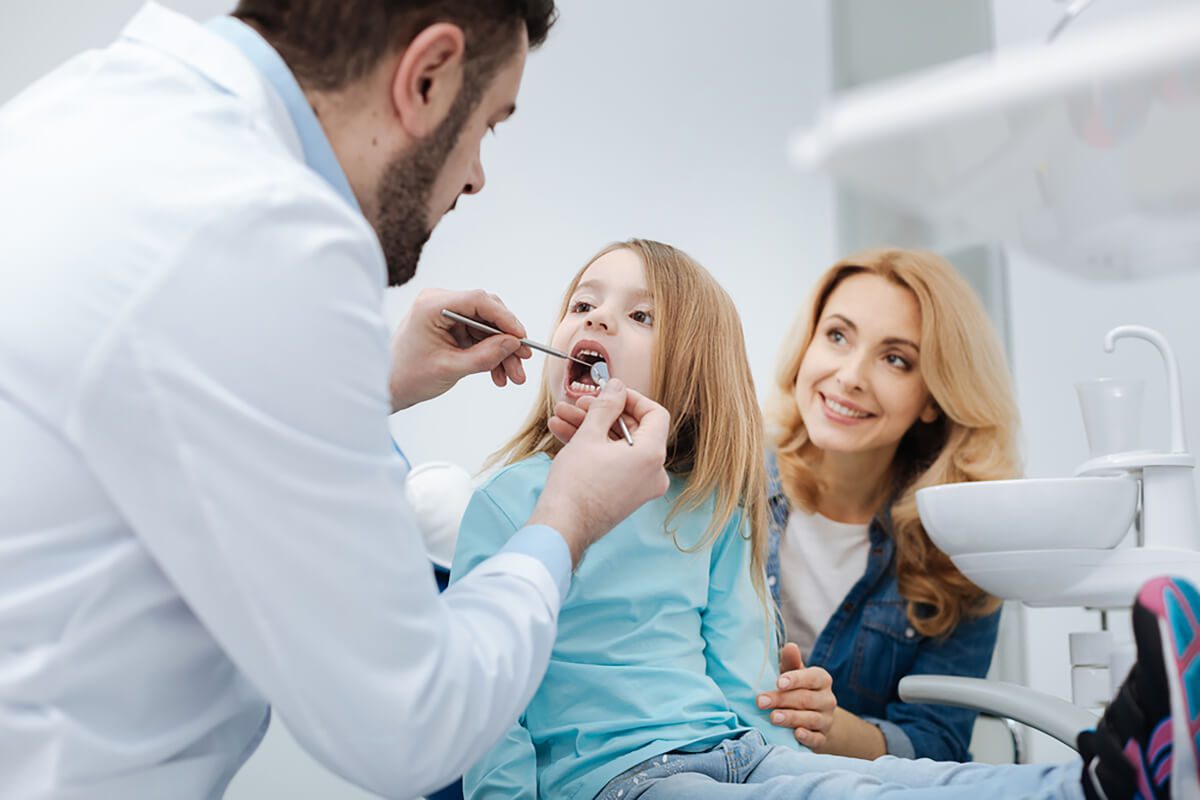
Every pediatric dental exam includes an oral cancer screening. The dentist examines the mouth, tongue, throat, and soft tissues for abnormalities. While oral cancer rarely affects children, early detection of any unusual tissue matters. These screenings take just minutes and require no special preparation.
Cavity Detection and Fillings
Cavities develop fast in children’s teeth. Regular exams catch decay before it causes pain or infection. Digital X-rays reveal cavities between teeth that visual exams miss. Early detection means smaller fillings and less time in the dental chair.
Tooth-colored fillings restore damaged teeth without the appearance of metal. These fillings bond to tooth enamel and provide durable protection. Treating cavities promptly prevents the need for more extensive work like root canals or extractions. Small problems stay small when caught early.
Orthodontic Evaluations
Orthodontic evaluations typically begin around age seven. The dentist checks jaw growth, bite alignment, and tooth spacing during these assessments. Some alignment issues respond better to early intervention while the jaw is still growing. Other problems require waiting until most permanent teeth have erupted.
Teens who need orthodontic correction often prefer Invisalign clear aligners. These removable aligners straighten teeth without metal brackets and wires. Many teenagers like this discreet option because friends cannot see the aligners. Treatment time varies but usually takes 12 to 18 months for moderate cases.
Dental Emergency Care
Dental emergencies happen even with careful supervision. Knocked-out teeth, broken teeth, and severe toothaches need immediate attention. Having an established relationship with a family dentist means you know who to call when accidents occur. Emergency appointments become available faster when you are already a patient.
Education on Oral Hygiene
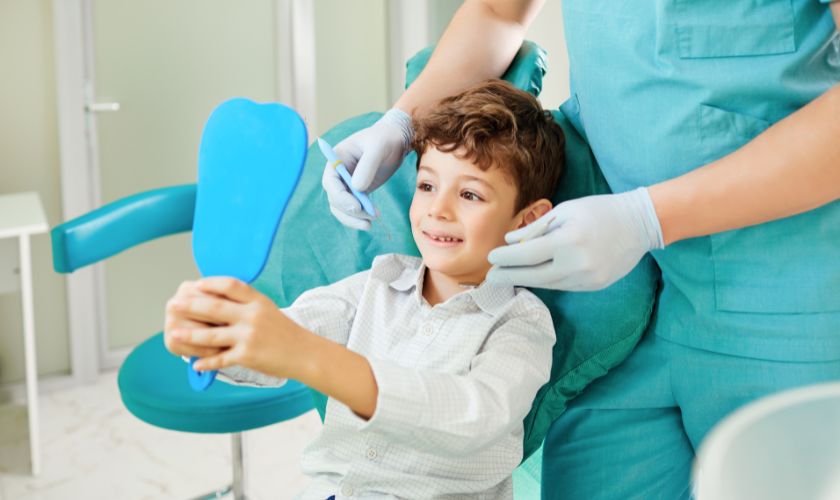
Teaching children correct brushing and flossing techniques forms a core part of pediatric dentistry. Dentists demonstrate methods that work for small hands and developing coordination. Children who understand why oral hygiene matters take more ownership of their dental health.
Parents receive age-appropriate guidance for helping children care for their teeth. This includes advice on toothbrush selection, how much toothpaste to use, and when children can floss independently. Learning proper techniques early creates habits that protect teeth for life.
Common Pediatric Dental Issues and Treatments
Children experience specific dental problems as their teeth and jaws develop. Recognizing these issues early makes treatment simpler and more effective. Most pediatric dental problems are preventable with good home care and regular checkups.
Tooth Decay in Children
Tooth decay affects more children than asthma or hay fever. Bacteria in the mouth feed on sugars and produce acid that damages tooth enamel. Even baby teeth need protection from decay because they guide permanent teeth into the right positions.
Common causes of childhood tooth decay include:
- Frequent sips of sugary drinks throughout the day
- Putting babies to bed with bottles of milk or juice
- Inconsistent brushing and no flossing between teeth
- Limited fluoride exposure from water or toothpaste
- Naturally thin or weak enamel from genetics
Thumb Sucking and Pacifier Use
Thumb sucking comforts infants and toddlers naturally. Most children stop between ages two and four without any intervention. Prolonged thumb sucking beyond age four can change how teeth align and how the jaw grows.
Problems from extended thumb sucking or pacifier use include:
- Front teeth that stick out too far
- Open bite where front teeth do not touch when biting down
- Upper jaw that becomes too narrow
- Changes in the shape of the roof of the mouth
Gentle encouragement works better than punishment for breaking these habits. Praise children when you notice they are not sucking their thumb. If the habit continues past age four, your dentist can suggest intervention strategies that help without creating stress.
Early Tooth Loss
Losing baby teeth too early creates spacing problems for permanent teeth. When a baby tooth falls out early due to decay or injury, nearby teeth drift into the empty space. This movement blocks the permanent tooth from coming in where it should.
Space maintainers hold the gap open until the permanent tooth is ready to emerge. These custom devices fit your child’s mouth and prevent orthodontic problems later. Most children adapt to space maintainers within a few days and forget they are wearing them.
Teeth Grinding
Many children grind their teeth during sleep without realizing it. This habit, called bruxism, often happens during growth spurts or stressful periods. Most children outgrow teeth grinding without any treatment needed.
Signs your child may be grinding their teeth at night:
- Tooth surfaces that look worn down or flat
- Complaints of tooth sensitivity to cold or hot foods
- Jaw pain or headaches in the morning
- Clicking sounds from the jaw joint when chewing
Severe grinding may require a custom night guard to protect teeth. This device cushions teeth and prevents excessive wear during sleep. Reducing stress and establishing good sleep routines also help decrease grinding episodes.
Misalignment and Bite Issues
Bite problems often develop as permanent teeth replace baby teeth. Crowding, spacing gaps, overbites, and underbites affect how teeth function and look. Genetics plays the biggest role, but habits like thumb sucking contribute to misalignment.
Early orthodontic evaluation identifies problems when treatment works best. Some issues benefit from intervention during the mixed dentition phase when children have both baby and permanent teeth. Other problems need to wait until most permanent teeth have come in fully.
Preparing Your Child for Their Dental Visit
How you talk about the dentist shapes your child’s attitude toward dental care. Preparation reduces anxiety and creates positive experiences. A calm, matter-of-fact approach works better than making a big deal about appointments.
Explain dental visits in simple terms that match your child’s age. Tell young children the dentist will count their teeth and make sure they stay healthy. Skip words like “pain,” “hurt,” or “shot” that trigger fear. Talk about getting a sparkling clean smile instead.
Read children’s books about dentist visits before the appointment. These stories answer questions your child might have and make the experience feel normal. Playing “dentist” at home also helps. Let your child examine your teeth with a toothbrush and pretend to count them.
Bring a comfort item if your child needs one. A favorite stuffed animal or small toy provides security in unfamiliar settings. Most dental offices work around these items during exams. They understand that comfort objects help children feel brave.
Schedule appointments when your child is well-rested and fed. Morning times often work best for young children who get cranky later in the day. Avoid appointments right before nap time or during typical meal times. A tired, hungry child will struggle more with sitting still.
Stay positive about your own dental experiences around your child. Children notice when parents feel anxious about dental visits. If you show confidence in the dental team, your child will pick up on that calm energy and feel more secure.
The Importance of Preventive Pediatric Dental Care
Preventive care stops dental problems before they start. Regular checkups, cleanings, and early intervention save time, money, and discomfort for families. Children who receive consistent preventive care develop healthier teeth and stronger oral hygiene habits that last into adulthood.
Benefits That Last a Lifetime
Starting dental care early creates advantages for years to come:
- Fewer cavities and dental procedures throughout childhood and adulthood
- Healthy development of jaw and facial structures
- Earlier detection of orthodontic issues when treatment is simpler
- Lower risk of gum disease later in life
- Better overall oral health that extends into senior years
Preventing Problems Costs Less Than Fixing Them
Preventive care saves money compared to treating dental problems:
- Routine cleanings cost far less than restorative procedures
- Sealants and fluoride treatments prevent cavities that need fillings
- Early orthodontic intervention often reduces treatment length and complexity
- Keeping natural teeth eliminates future need for implants or bridges
- Most insurance plans cover preventive services at 100 percent

Creating Habits That Stick
Children who start dental care young learn habits that protect their teeth forever:
- Correct brushing and flossing techniques become automatic daily routines
- Clear understanding of how diet and sugar affect oral health
- Comfort with dental visits that continues into adulthood
- Recognition that oral care is essential healthcare, not optional
- Willingness to seek dental treatment quickly when problems arise
Oral Health Affects Total Body Health
Healthy teeth support physical wellbeing in multiple ways:
- Untreated tooth decay can lead to infections that affect the whole body
- Dental pain makes eating, sleeping, and learning at school difficult
- Bacteria from gum disease link to heart disease and other conditions
- Good nutrition requires healthy teeth for chewing various foods
- Confident smiles support positive social development and strong self-esteem
Choosing the Right Pediatric Dentist in Monroe, MI
Parents want a dentist who makes children feel comfortable while providing excellent care. Look for a practice with experience treating all age groups, from infants through teenagers. The dental team should show patience and skill when working with nervous or wiggly young patients. A welcoming office environment makes visits easier for everyone.
Location and scheduling flexibility matter for busy families. Choose a practice close to home or work to reduce travel time. Morning or after-school appointment times help you avoid missing work or pulling children from class. Understanding which insurance plans the practice accepts and what payment options exist helps you budget for dental care.
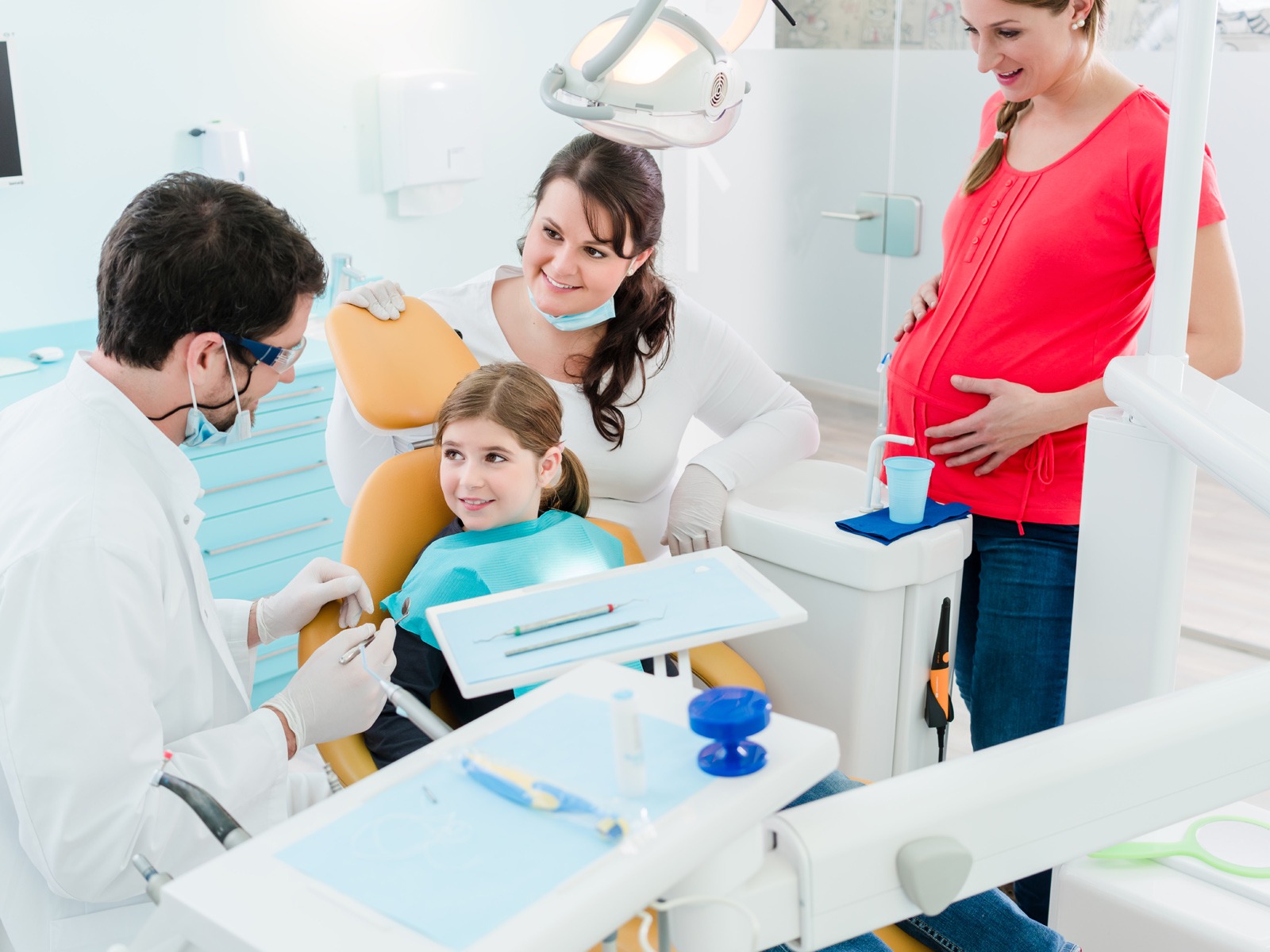
Building a relationship with one dental team provides consistency your child can count on. Familiar faces reduce anxiety at appointments. The same dentist monitoring your child’s development over years can catch subtle changes that indicate problems. This continuity of care benefits your entire family when one practice treats everyone.
Pediatric Dental Care at Pinnacle Dental Group
At 1262 N Macomb Street in Monroe, MI, Pinnacle Dental Group serves families throughout the area with comprehensive dental care. Our practice treats patients of all ages, from babies cutting their first teeth to grandparents maintaining their smiles. This family dentistry approach means one office handles everyone’s dental needs.
Our team has extensive experience working with children at every stage of development. We create a comfortable environment where even anxious children feel safe. Modern dental technology helps us provide effective treatment with minimal discomfort. We explain procedures in ways children understand without creating fear.
We accept most insurance plans and offer flexible payment options for families. Our scheduling accommodates the reality of balancing work, school, and family commitments. We know getting everyone to appointments on time takes effort.
Services for children include routine cleanings every six months, fluoride treatments to strengthen enamel, and dental sealants for back molars. We treat cavities with tooth-colored fillings that blend naturally. Our team provides orthodontic evaluations around age seven and offers Invisalign for teenagers. We teach children age-appropriate brushing and flossing techniques they can use at home.
Many patients start their dental care with us as toddlers and continue as adults. We value these long-term relationships with families. Our Monroe family dentistry goal is to help every child develop not just a healthy smile, but also a positive attitude toward dental care that lasts their whole life.
Conclusion
Your child’s oral health starts with the first tooth and continues through adulthood. Early dental visits catch problems before they become painful or expensive. Preventive care, good home hygiene, and regular checkups work together to protect growing smiles.
Finding the right dental partner makes a difference for your whole family. Look for a practice that treats children with patience and explains things clearly. A welcoming environment and flexible scheduling remove barriers to getting the care your child needs.
Pinnacle Dental Group welcomes new patients and families to our Monroe practice. Call 734-241-6166 to schedule your child’s dental appointment. We look forward to helping your family maintain healthy smiles for years to come.