
Laser Dentistry: Advanced Dental Care with Precision and Comfort
Many people feel anxious about dental procedures. The thought of drills, discomfort, and long recovery times can make anyone hesitate to schedule an appointment. Modern dental technology has changed the way dentists approach treatment, making procedures more comfortable and efficient than ever before.
Laser dentistry uses focused light energy to treat various dental conditions. This advanced technology allows dentists to perform many procedures with greater precision and less discomfort. Patients often experience faster healing times and better outcomes with laser dental treatment.
At Pinnacle Dental Group in Monroe, Michigan, we use laser technology to provide our patients with state-of-the-art care. This approach represents a significant advancement in how we treat gum disease, cavities, and other dental issues. Understanding how laser dentistry works can help you make informed decisions about your oral health.
What Is Laser Dentistry?
Laser dentistry uses concentrated beams of light to treat teeth and gums. The word “laser” stands for Light Amplification by Stimulated Emission of Radiation. Dentists have used this technology since the 1990s after receiving FDA approval.
Two main types of lasers work in dental offices. Hard tissue lasers cut through tooth structure for procedures like cavity removal. Soft tissue lasers treat gums and other delicate areas in your mouth. Each laser uses a specific wavelength of light designed for particular treatments.
The laser beam works by removing or reshaping tissue with extreme accuracy. Water and pigment in the tissue absorb the light energy. This process allows dentists to target problem areas without affecting healthy surrounding tissue. The precision reduces trauma and speeds up healing.
Dentists must complete specialized training to use laser technology safely. This equipment requires proper certification and ongoing education. At Pinnacle Dental Group, our team stays current with the latest techniques in laser dental treatment.
Common Dental Procedures That Use Laser Technology
Laser technology has expanded treatment options across many areas of dentistry. Patients benefit from less invasive procedures that often require minimal anesthesia. The versatility of dental lasers makes them valuable tools for both routine and complex treatments.
Laser Gum Treatment for Periodontal Disease
Gum disease affects millions of Americans each year. Traditional treatment often required cutting and suturing the gums with surgical tools. Laser gum treatment offers a less invasive alternative that promotes faster healing.
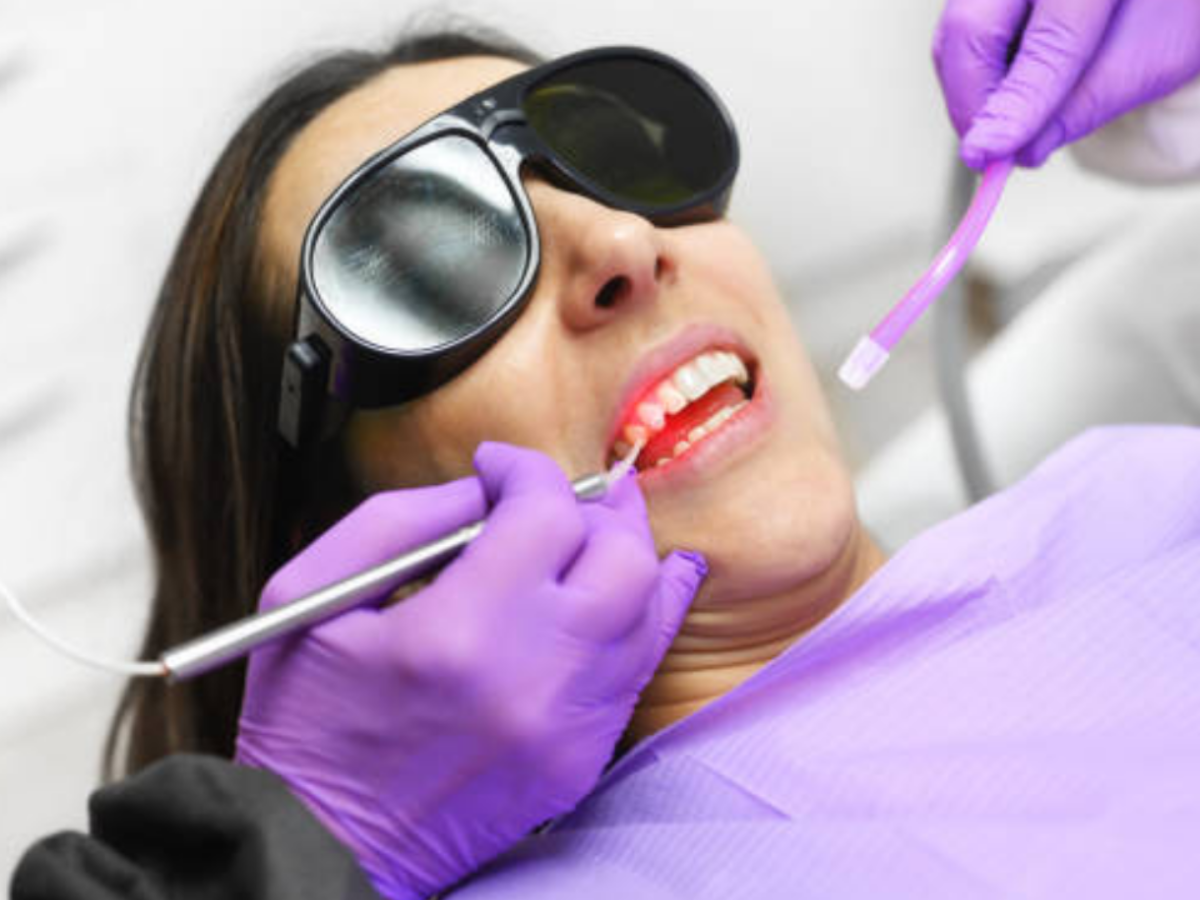
The laser removes diseased tissue and bacteria from periodontal pockets. It seals blood vessels during the procedure, which reduces bleeding significantly. Patients experience less pain and swelling compared to traditional gum surgery. The laser also stimulates tissue regeneration, helping gums reattach to teeth more effectively.
Recovery time is considerably shorter with laser periodontal treatment. Many patients return to normal activities within a day or two. This approach works well for pocket reduction surgery and guided tissue regeneration procedures.
Cavity Detection and Treatment
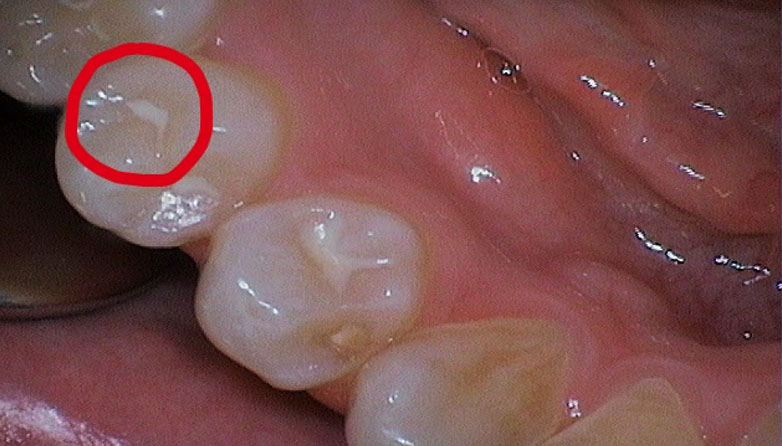
Lasers can detect cavities in their earliest stages. The technology identifies decay that might not show up on X-rays yet. Early detection means smaller fillings and preservation of more natural tooth structure.
When treating cavities, lasers remove decayed portions with great precision. The focused beam targets only the damaged area. Healthy enamel remains intact, which strengthens the tooth long-term. Many patients find this method more comfortable than traditional drilling.
Soft Tissue Procedures
Soft tissue lasers excel at reshaping and contouring gums. These procedures improve both health and appearance. Patients with gummy smiles or uneven gum lines see dramatic improvements.
Frenectomy procedures become much simpler with laser technology. The laser cuts the small tissue bands that sometimes restrict tongue or lip movement. This treatment helps children with speech difficulties and adults with orthodontic concerns. Healing occurs quickly with minimal discomfort.
Lasers also treat canker sores and other oral lesions effectively. The treatment provides immediate pain relief while promoting faster healing. Biopsies can be performed with greater precision and less trauma to surrounding tissue.
Teeth Whitening Enhancement
Professional teeth whitening produces better results when combined with laser technology. The laser activates the whitening solution, speeding up the chemical reaction. Patients achieve brighter smiles in less time.
This enhancement works particularly well for stubborn stains. The laser helps the whitening agent penetrate deeper into tooth enamel. Results often last longer than whitening procedures without laser activation.
Root Canal Therapy Support
Root canal therapy becomes more effective with laser assistance. The laser disinfects the inside of the tooth during treatment. Bacteria hiding in small canals are eliminated more thoroughly than with traditional methods alone.
This extra level of sterilization reduces the risk of reinfection. Patients experience better outcomes and fewer complications. The precision of laser technology also helps preserve more of the natural tooth structure during the procedure.
Benefits of Laser Dentistry Compared to Traditional Methods
Patients who choose laser dental treatment experience noticeable differences from traditional procedures. The technology offers clear advantages in comfort, healing time, and overall results. These benefits make laser dentistry an attractive option for people who feel anxious about dental work.
Key advantages of laser dentistry include:
- Reduced pain and discomfort – Many laser procedures cause less discomfort than traditional methods. The laser seals nerve endings as it works, which minimizes pain signals. Patients often need less anesthesia or none at all.
- Less bleeding and swelling – Lasers cauterize tissue as they cut, sealing blood vessels immediately. This process significantly reduces bleeding during and after procedures. Swelling is minimal compared to traditional surgical methods.
- Faster healing and recovery – The precision of laser technology means less trauma to healthy tissue. Wounds heal more quickly because the laser sterilizes as it works. Most patients resume normal activities within a day or two.
- Greater precision and accuracy – Dentists can target specific areas with incredible accuracy. The focused beam removes only diseased or damaged tissue. Healthy structures remain untouched, which improves long-term outcomes.
- Reduced risk of infection – The laser sterilizes the treatment area during the procedure. Bacteria are eliminated on contact with the laser beam. This built-in sterilization lowers the chance of post-procedure infections.
- Preservation of healthy tissue – Traditional tools sometimes remove more tissue than necessary. Lasers allow dentists to be extremely conservative in their approach. More of your natural tooth and gum structure stays intact.
- Minimal need for sutures – Many laser procedures do not require stitches. The laser seals tissue as it works, eliminating the need for sutures. This means fewer follow-up appointments and less discomfort during recovery.
What to Expect During a Laser Dental Procedure
Understanding what happens during laser dental treatment helps reduce anxiety about the procedure. Most patients find the experience more comfortable than they anticipated. The process typically follows a straightforward pattern from consultation to recovery.
Your dentist will first examine the area that needs treatment. This examination may include X-rays or other diagnostic tools. The dentist explains which type of laser will be used and why. You will learn about the specific benefits for your situation.
The actual treatment often requires little or no anesthesia. You might feel slight pressure or warmth during the procedure. Many patients report hearing a soft popping sound as the laser works. The duration varies depending on the treatment type, but most procedures take less time than traditional methods.
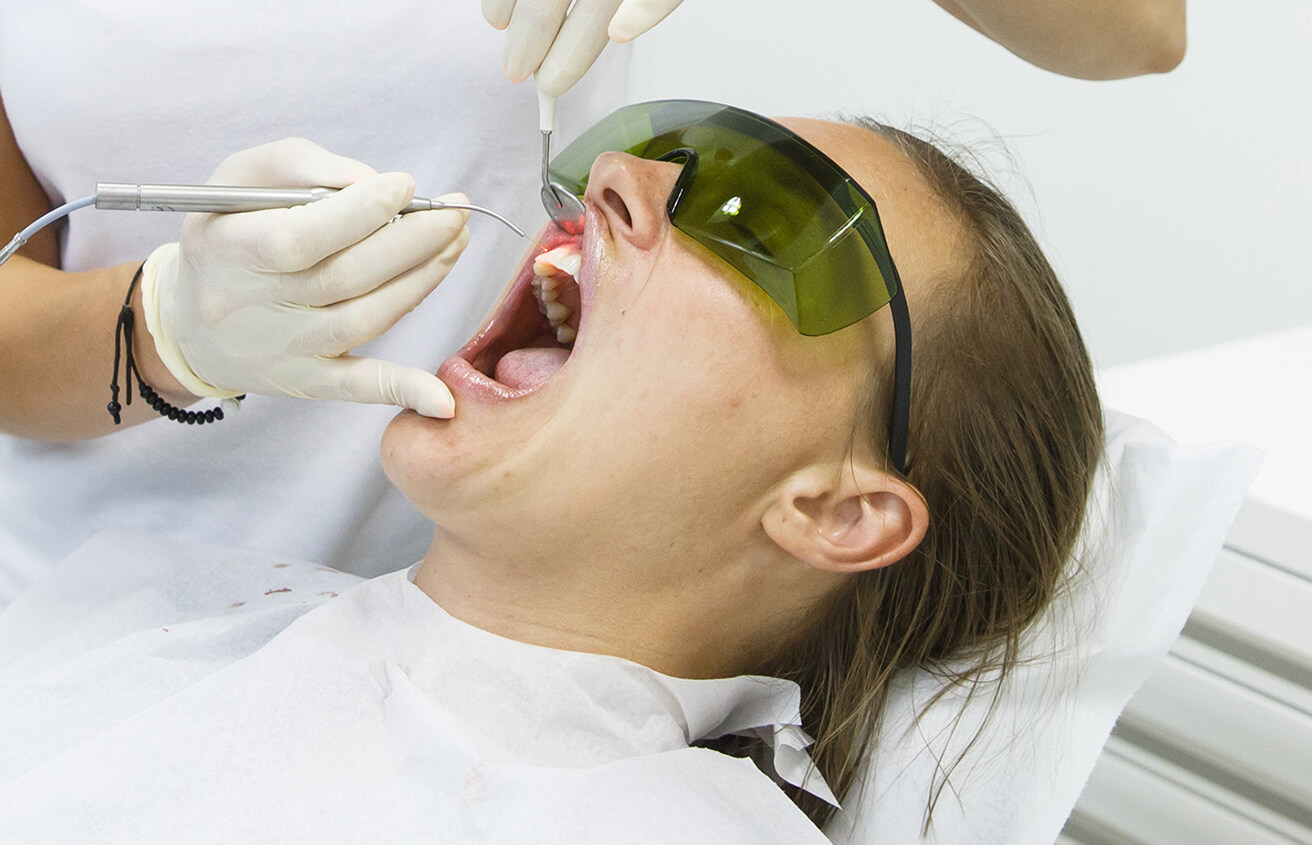
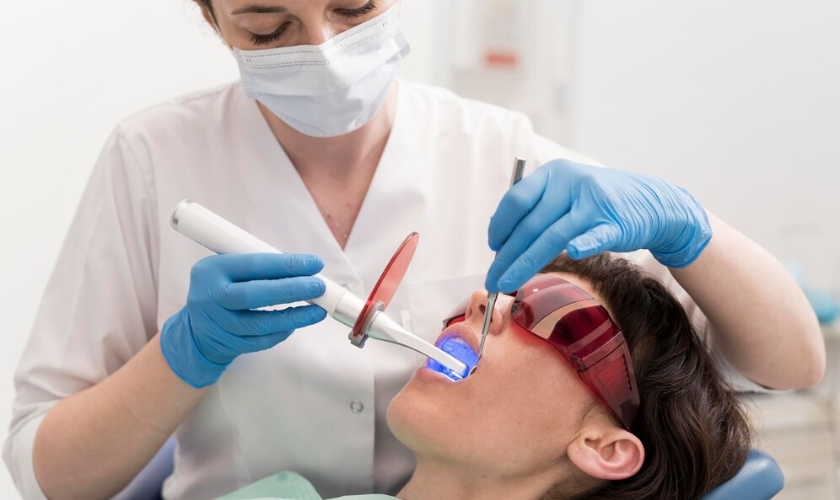
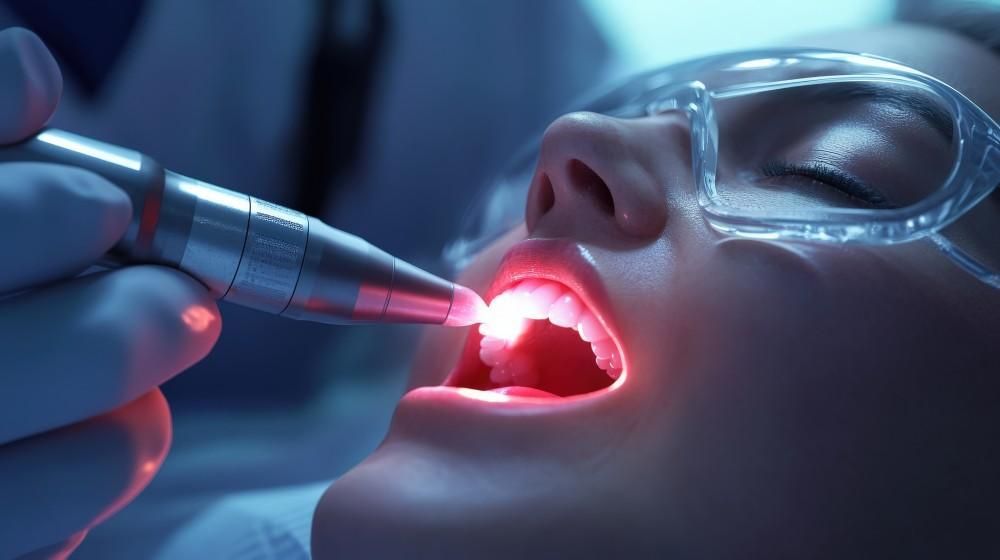
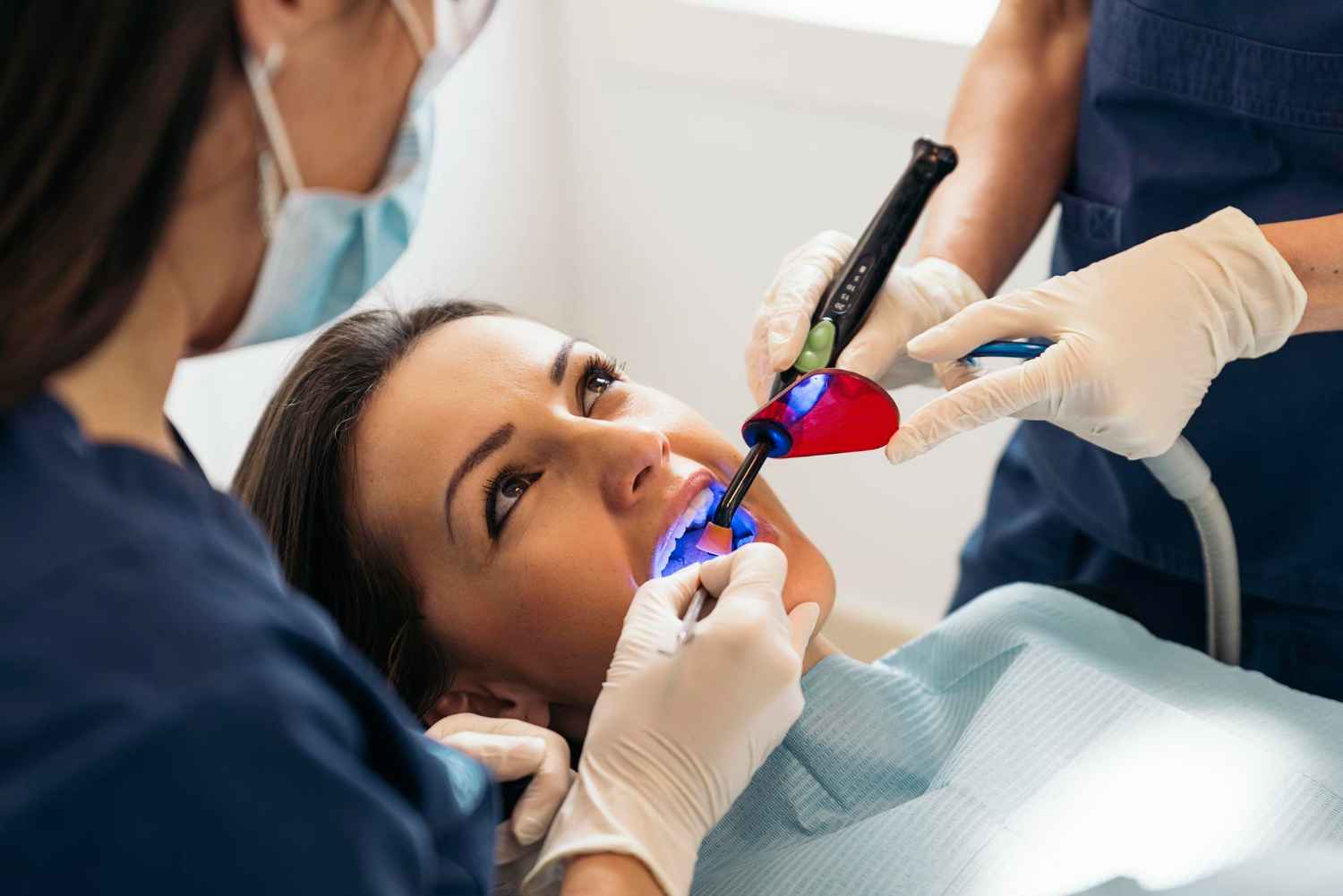
During the procedure, you will wear protective eyewear. This safety measure protects your eyes from the laser light. The dentist uses a small handpiece to direct the laser beam precisely. You remain comfortable throughout the process.
Post-procedure care is usually minimal. Your dentist will provide specific instructions based on your treatment. Most people experience little to no discomfort after leaving the office. Any sensitivity typically resolves within a few hours.
Follow-up appointments may be scheduled to monitor healing. These visits allow your dentist to ensure the treatment achieved the desired results. Most patients heal completely within a few days to a week. The recovery period is significantly shorter than with traditional surgical methods.
Is Laser Dentistry Safe?
Laser dentistry has a strong safety record supported by decades of use. The FDA approved dental lasers in the 1990s after extensive testing. Research consistently shows that laser procedures are safe and effective for appropriate applications.
Dentists must complete specialized training to use laser equipment. This training covers proper techniques and safety protocols. Ongoing education ensures dentists stay current with best practices. At Pinnacle Dental Group, our team maintains the highest standards in laser dental treatment.
Safety measures protect both patients and dental staff during procedures. Protective eyewear shields eyes from laser light. The equipment includes multiple safety features to prevent accidental exposure. Dentists carefully control the laser’s intensity and duration for each specific treatment.
Most patients are good candidates for laser dentistry. The technology works well for children, adults, and seniors. People with certain medical conditions may need alternative approaches. Your dentist will review your health history to determine the best treatment option.
Some situations still benefit from traditional methods. Complex extractions or certain types of oral surgery may require conventional tools. Your dentist will recommend the approach that provides the best outcome for your specific needs.
Cost Considerations and Insurance Coverage
The cost of laser dentistry varies based on several factors. The type of procedure affects the final price. Complex treatments naturally cost more than simple ones. The extent of the dental issue also influences the total expense.
Many dental insurance plans cover laser procedures. Coverage depends on whether the treatment is considered medically necessary. Laser gum treatment for periodontal disease typically receives coverage. Cosmetic procedures may not be covered by insurance.
Laser dentistry can provide long-term cost savings. The precision of laser treatment often prevents future complications. Faster healing means fewer follow-up appointments. Less tissue damage reduces the risk of additional procedures later.
Pinnacle Dental Group accepts most major insurance plans. Our staff can verify your coverage before treatment begins. We also offer flexible payment options for out-of-pocket expenses. Financial considerations should not prevent you from receiving quality dental care.
The investment in laser dental treatment often proves worthwhile. Patients value the reduced pain and faster recovery time. The improved outcomes and lower risk of complications add to the overall value. Many people find that the benefits far outweigh any additional costs.
Why Choose Pinnacle Dental Group for Laser Dentistry in Monroe, MI
Choosing the right dental practice for laser treatment matters. Pinnacle Dental Group combines advanced technology with experienced care. Our commitment to patient comfort and quality outcomes sets us apart.
Our practice offers:
- Experienced team trained in laser dental procedures – Our dentists have completed specialized certification in laser technology. We regularly attend continuing education courses to refine our skills.
- State-of-the-art equipment – We invest in the latest laser technology to provide superior results. Our modern facility supports a full range of laser dental treatments.
- Comprehensive treatment options – From laser gum treatment to cavity detection, we handle diverse dental needs. Our services address both functional and cosmetic concerns.
- Patient-centered approach – We take time to explain procedures and answer your questions. Your comfort and understanding are priorities throughout treatment.
- Convenient Monroe location – Our office at 1262 N Macomb Street serves Monroe and surrounding communities. Accessible care means you spend less time traveling.
- Flexible scheduling and insurance acceptance – We work with most major insurance providers. Our staff helps you understand coverage and payment options.
Our goal is to make quality dental care accessible and comfortable. Laser technology allows us to treat conditions with less discomfort and better outcomes. We welcome the opportunity to discuss how laser dentistry can benefit you and your family.
Conclusion
Laser dentistry represents a significant advancement in dental care. The technology offers reduced pain, faster healing, and better outcomes for many procedures. Patients benefit from more comfortable experiences and shorter recovery times.
Whether you need treatment for gum disease or are seeking a cosmetic dentist for aesthetic improvements, laser technology may be right for you. The precision and effectiveness of laser dental treatment make it an excellent option for both routine and complex procedures.
Pinnacle Dental Group welcomes the opportunity to discuss your dental health goals. Our experienced team can explain how laser dentistry might benefit your specific situation. Contact our Monroe office to schedule a consultation and learn more about this advanced approach to dental care.