
Cavity Fillings in Monroe, MI: Everything You Need to Know
You know that feeling when you’re eating ice cream and suddenly your tooth sends a sharp signal? Or maybe you’ve noticed a dark spot on your tooth in the mirror. These moments can make your stomach drop a little. Nobody wants to hear they have a cavity.
Here’s the good news. Cavity fillings are one of the most common dental procedures out there. Millions of people get them every year. And the process today is way more comfortable than you might remember from childhood stories.
If you’re dealing with tooth pain or worried about a cavity, you’re in the right place. We’re going to walk through everything you need to know about cavity fillings. You’ll learn what they are, what to expect, and how to take care of them. Most importantly, you’ll see that getting a filling is nothing to stress about.
Modern dentistry has come a long way. The treatments are gentler, faster, and more natural-looking than ever before. Let’s get started and ease those worries.
What Are Cavity Fillings?
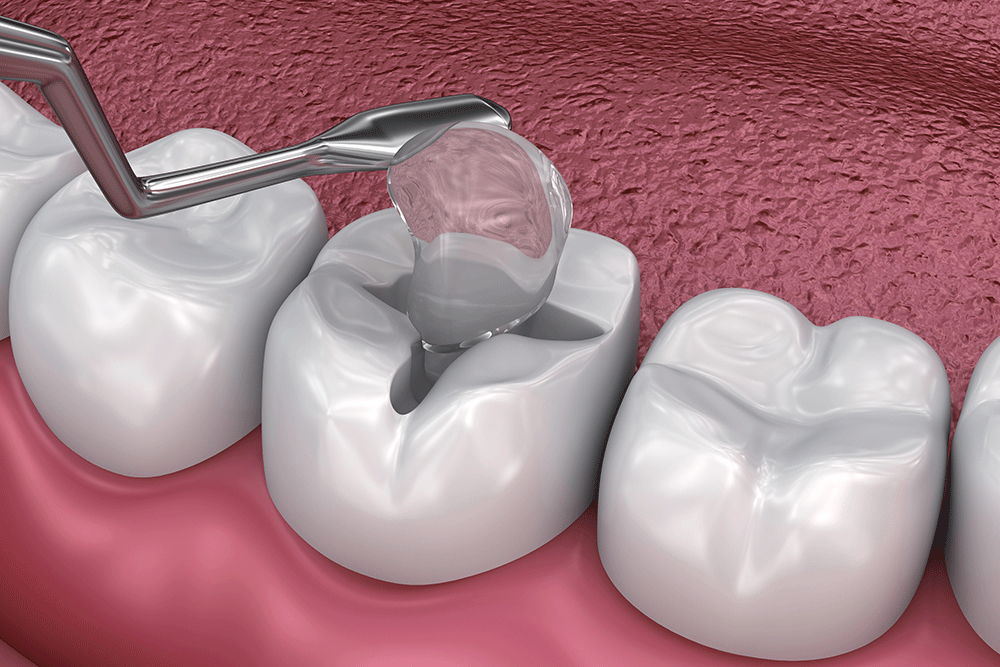
A cavity filling is exactly what it sounds like. It fills the hole that tooth decay creates in your tooth. When bacteria eat away at your tooth enamel, they leave behind damage. A filling repairs that damage and protects your tooth.
Think of it like patching a hole in your wall. The filling material seals up the cavity and stops it from getting bigger. Without a filling, the decay keeps spreading deeper into your tooth. That can lead to pain, infection, and even tooth loss.
The earlier you get a cavity filled, the better. Small cavities are quick and easy to fix. Large cavities that have been ignored? Those take more work and can hurt your wallet.

Signs You Might Need a Cavity Filling
Your body usually tells you when something’s wrong with your teeth. Sometimes the signs are obvious, like pain. Other times they’re more subtle. Here are the common signs that you might have a cavity:
- Tooth sensitivity to hot or cold – Your tooth hurts when you drink something hot or cold. The pain might last a few seconds or longer.
- Visible holes or dark spots – You can see a dark area on your tooth. Sometimes you can feel a hole with your tongue.
- Pain when chewing – Biting down on that tooth causes sharp or dull pain. You might start chewing only on one side of your mouth.
- Rough or sharp edges on teeth – Part of your tooth feels jagged or broken. The decay has eaten away some of the enamel.
Don’t wait for pain to get worse. Schedule a dental exam if you notice any of these signs. Catching cavities early means easier, quicker treatment.
Types of Cavity Fillings We Offer
Not all fillings are the same. The type of filling you get depends on where the cavity is and what you prefer. Let’s look at the most common options.
Composite (Tooth-Colored) Fillings
These are the most popular fillings today. They’re made from a resin material that matches your natural tooth color. Nobody can tell you have a filling when they look at your smile.
Composite fillings work great for cavities in your front teeth or visible areas. They bond directly to your tooth, which helps strengthen it. The main downside is they don’t last quite as long as silver fillings in back teeth that do heavy chewing.
Amalgam (Silver) Fillings
Silver fillings have been around for over 100 years. They’re made from a mix of metals including silver, tin, and copper. These fillings are incredibly strong and can last 10 to 15 years or more.
Amalgam fillings cost less than tooth-colored options. They work best for back teeth where strength matters more than appearance. Many people still choose these for molars that take a lot of chewing pressure.
Other Filling Options
Glass ionomer fillings release fluoride to help protect your tooth. They’re often used for cavities near the gum line or for children’s teeth. They’re not as durable as composite or amalgam.
Gold fillings are rare these days because they’re expensive. But they last the longest of any filling type. Some people like the look, but most prefer options that blend in better.
What to Expect During Your Cavity Filling Appointment
Most cavity fillings take 30 to 60 minutes. The time depends on how big the cavity is and where it’s located.
First, your dentist will numb the area around your tooth. You’ll feel a small pinch from the needle, then nothing. The numbing takes a few minutes to kick in fully.
Once you’re numb, the dentist removes the decayed part of your tooth. You might hear some sounds from the drill, but you won’t feel pain. Just pressure as they work.
After cleaning out the decay, they fill the space with your chosen filling material. For composite fillings, they use a special light to harden it. Then they shape and polish it so it feels natural when you bite down.
That’s it. You’re done and can head home. The whole thing is straightforward and pain-free.
Caring for Your Fillings After Treatment
Your mouth will stay numb for 2 to 4 hours after your appointment. Be careful not to bite your cheek or tongue during this time. It’s easy to do when you can’t feel anything.
Wait until the numbness wears off before eating. If you eat too soon, you might accidentally bite the inside of your mouth. Stick to soft foods for the first few hours if you’re hungry.
Avoid very hot or very cold foods for the first day. Your tooth might be a bit sensitive as it adjusts to the filling. This is normal and usually goes away within a few days.
Keep brushing and flossing like normal. Your filling won’t fall out from regular cleaning. Good oral hygiene actually helps your filling last longer. Treat your filled tooth just like your other teeth.
How Long Do Cavity Fillings Last?
Composite fillings typically last 5 to 7 years. With good care, they can last up to 10 years. These tooth-colored fillings work hard in your mouth every day.
Amalgam fillings are more durable. They often last 10 to 15 years or longer. Some people have silver fillings that have lasted 20 years or more.
Several things affect how long your filling lasts. Grinding your teeth wears them down faster. Chewing ice or hard candy can crack them. Poor oral hygiene lets new decay form around the edges.
Your filling might need replacement if it cracks, chips, or falls out. You might also notice sensitivity or pain around an old filling. Dark areas around the filling edge can mean new decay is forming.
Regular dental checkups help catch filling problems early. Your dentist can spot wear and tear before it becomes a bigger issue.
Preventing Future Cavities
Getting a filling fixes the current problem. But you want to avoid needing more fillings in the future. The good news is that preventing cavities is pretty straightforward.
Brush your teeth twice a day for two minutes each time. Use a soft-bristled toothbrush and fluoride toothpaste. Make sure you brush all surfaces of your teeth, not just the front.
Floss once a day to clean between your teeth. Your toothbrush can’t reach these tight spaces. That’s where a lot of cavities start.
Cut back on sugary foods and drinks. Bacteria in your mouth feed on sugar and create acid. That acid eats away at your tooth enamel. Water is your best friend for healthy teeth.
See your dentist every six months for cleanings and checkups. Professional cleanings remove buildup your toothbrush misses. Regular exams catch small cavities before they become big problems.

Why Choose Pinnacle Dental Group for Your Cavity Fillings
Finding the right dentist makes all the difference when you need tooth fillings. You want someone who’s skilled, caring, and makes the process as comfortable as possible. Here’s what makes Pinnacle Dental Group different:
- Convenient Monroe location – We’re right here at 1262 N Macomb Street. Easy to find and easy to get to for families in Monroe and surrounding areas.
- Flexible scheduling – We know you’re busy juggling work and family. We work with your schedule to find appointment times that fit your life.
- Modern, comfortable treatment – We use the latest dental technology and techniques. Our approach focuses on keeping you comfortable and relaxed throughout your visit.
- Insurance-friendly practice – We work with most dental insurance plans. Our team helps you understand your coverage and payment options.
- Experienced, caring team – Our staff treats you like family. We take time to answer your questions and explain every step of your treatment.
You don’t have to stress about getting a cavity filled. Our team makes the whole experience smooth and worry-free.
Conclusion
Cavity fillings are one of the most routine procedures in dentistry. They’re quick, comfortable, and protect your teeth from further damage. Modern techniques and materials make the process easier than ever before.
Don’t put off getting a cavity filled. The longer you wait, the bigger the problem becomes. Small cavities are simple to fix. Large ones can lead to pain, infection, and more expensive treatments.
If you’re experiencing tooth sensitivity or pain, it’s time to schedule an appointment. Our team at Pinnacle Dental Group is here to help. We’ll take care of your cavity and get you back to smiling confidently.
Call us at 734-241-6166 or visit our website to book your appointment today. Let’s keep your smile healthy and strong.